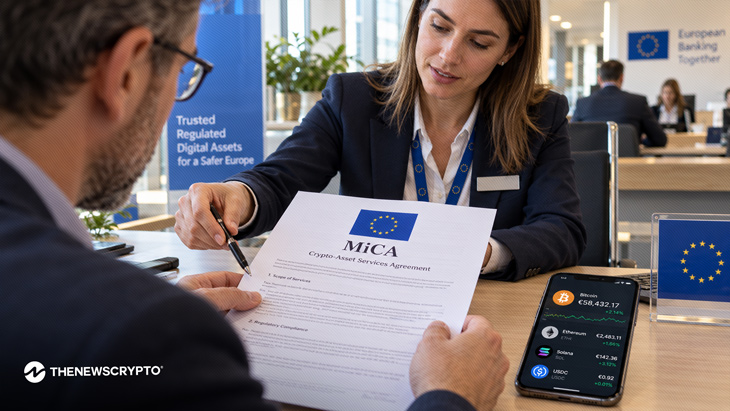
- Bitpanda co-CEO Christian Trummer says European users have more faith in MiCA-regulated crypto firms.
- EU regulators are tightening enforcement against firms serving European customers without MiCA authorization.
European crypto users are showing greater trust in regulated platforms following the rollout of the European Union’s Markets in Crypto-Assets (MiCA) framework, according to Bitpanda co-CEO Christian Trummer.
Speaking on Cointelegraph’s Chain Reaction, Trummer said users now have “more faith” in regulated market participants. He also argued that the wider crypto market can look different from the community often seen on Crypto Twitter, where self-custody remains a major focus.
Trummer said ordinary users are generally more comfortable using regulated providers rather than managing private keys themselves. However, his comments are based on his observations and were not accompanied by a specific survey or percentage measuring a rise in consumer trust.
MiCA has also moved into a stricter enforcement phase across the bloc. Under the regulation’s transitional rules, existing crypto-asset service providers could continue operating until July 1, 2026 at the latest, or until their authorization was granted or refused. ESMA said firms without a MiCA license after the transition period must stop providing crypto-asset services to EU clients.
MiCA Enforcement Puts Unlicensed Firms Under Pressure
Trummer also called for stronger enforcement against companies that continue serving European customers without the required authorization. His comments come as EU regulators are examining Binance’s continued services in the region and its reliance on MiCA’s “reverse solicitation” exemption. ESMA has said the exemption is narrowly defined and should not be used to bypass the licensing requirements.
Bitpanda itself is operating under the European regulatory framework, while Trummer became co-CEO in September alongside Lukas Enzersdorfer-Konrad, who is expected to step down in the first quarter of 2027.
The comments come as MiCA moves from its transition period into a phase where regulators are increasingly focused on whether crypto firms serving European customers are properly authorized.