

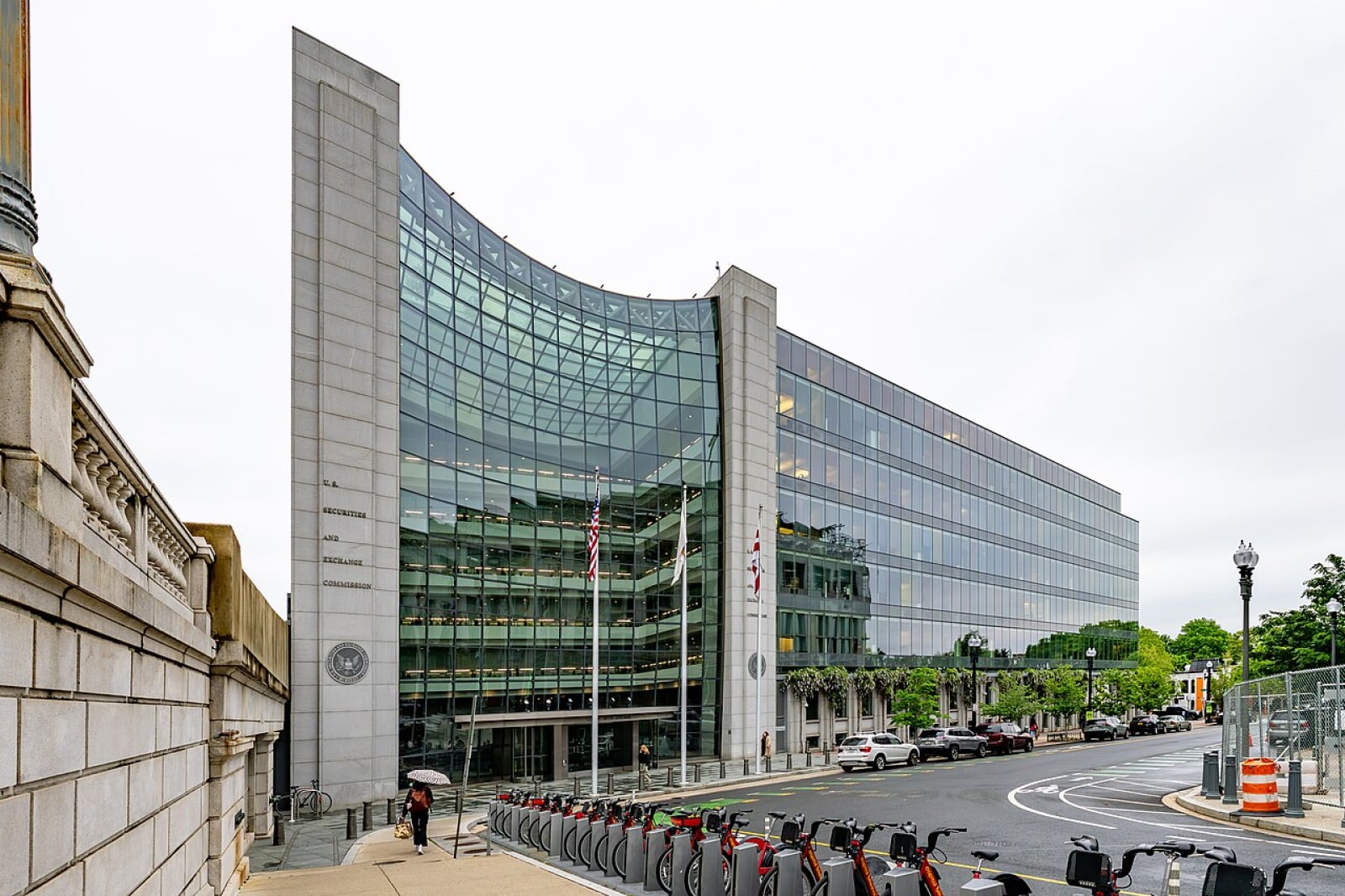
The U.S. Securities and Exchange Commission is preparing to roll out two major crypto initiatives as Congress struggles to advance the Clarity Act.
According to people familiar with the matter cited by Bloomberg, the SEC could unveil details of its long-awaited innovation exemption for tokenized securities as soon as this week. The agency is also scheduled to consider a new framework for certain crypto-asset investment contracts this week at an upcoming week.
This comes after the Senate postponed consideration of the Clarity Act until September. Regulators could move ahead with parts of the crypto market-structure agenda without waiting for Congress.
The regulatory agenda is focused on designing a tailored offering regime for certain investment contracts with crypto assets.
The commission has confirmed that it will consider whether to issue the proposal at its August 14 open meeting.
Bloomberg reported that the second initiative could be the SEC’s innovation exemption. The framework would make it possible to experiment with blockchain-based versions of traditional securities.
The release of the innovation exemption has been delayed after various consultations. There were some concerns about tokens representing publicly traded companies without the companies’ consent. However, the SEC has come up with a mechanism that would allow companies to block the issuance of third-party tokenized versions of their shares.
Controversial regulatory efforts
CFTC Chairman Michael Selig has also indicated that his agency is prepared to continue developing crypto market-structure rules without waiting for Congress, according to a recent Politico report.
Sen. Elizabeth Warren, a Massachusetts Democrat, and some other Democrats have repeatedly slammed the regulatory agencies for being too closely aligned with the crypto industry.
Critics warn that agency rulemaking cannot provide the same durability as legislation. SEC and CFTC rules could face legal challenges or be reversed by future agency leadership.
The Clarity Act delay
As reported by U.Today, the Senate left Washington for its five-week August recess without holding the highly anticipated vote due to various disagreements.
Senate Majority Leader John Thune subsequently filed a cloture motion that sets up a September 15 vote that will determine the bill’s fate. The vote will require 60 senators.
The Senate’s schedule makes the path forward increasingly difficult. Lawmakers return September 14 and are scheduled to be in session for only 14 days before another election-related recess.
Failure to secure the required 60 votes could effectively kill the bill for the year.
