

Key Takeaways
- ICBA sues the OCC over issuing non-fiduciary trust bank charters to 13 digital asset companies.
- The suit threatens conditional federal charters held by crypto platforms like Coinbase, Circle, and Ripple.
- A court ruling against the OCC could force crypto firms to restructure or seek state charters in 2026.
Allegations of Statutory Overreach
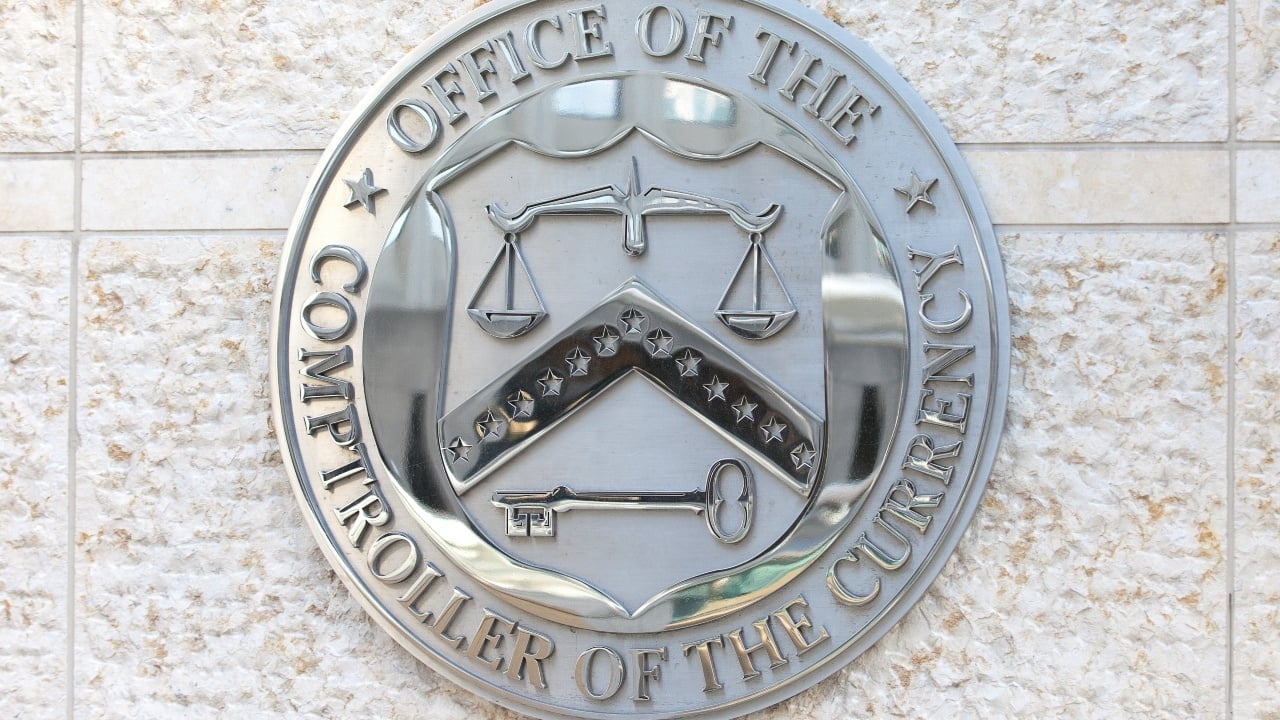
The Independent Community Bankers of America (ICBA) filed a federal lawsuit against the Office of the Comptroller of the Currency (OCC), challenging the regulator’s authority to grant national trust bank charters to cryptocurrency firms.
The complaint, filed in the U.S. District Court for the District of Columbia, targets an OCC rule and accompanying legal interpretation that expanded national trust charters to cover non-fiduciary digital asset activities. The lawsuit was filed months after U.S. Sen. Elizabeth Warren of Massachusetts, a prominent crypto critic, accused the OCC of illegally granting banking charters to crypto companies.
In the complaint, the ICBA argues that the OCC exceeded the statutory authority Congress granted under the National Bank Act by allowing crypto companies to secure federal trust charters without performing traditional fiduciary duties.
Community bankers claim the policy creates a regulatory loophole. Under national trust charters, digital asset firms gain the prestige and operational reach of a federal banking license without meeting standard capital, liquidity, consolidated supervision, or Community Reinvestment Act (CRA) obligations, and without Federal Deposit Insurance Corporation (FDIC) coverage.
The lawsuit seeks to vacate the OCC’s final rule along with Interpretive Letter 1176. The rule replaced references strictly limiting national trust banks to “fiduciary activities” with broader language allowing non-fiduciary operations typical of trust companies. According to court filings, the OCC has approved or conditionally approved 21 trust bank charters, at least 13 of which are tied to digital asset firms. Some of the crypto companies that have secured approval include Circle, Coinbase, and Ripple.
In a statement announcing the legal action, ICBA President and CEO Rebeca Romero Rainey emphasized that federal chartering powers should not be repurposed for non-bank tech firms:
“American consumers reasonably expect a federally chartered bank to carry federal protections,” Rainey said. “Digital assets held at a crypto firm operating under a national trust charter do not carry those important safeguards. ICBA is asking the court to return the OCC to its statutory limits. Any non-fiduciary firm seeking the benefits of a federal bank charter should meet the same standards as community banks.”
Crypto Industry Pushback
The lawsuit, however, has drawn backlash from some crypto industry leaders who view it as a blatant attempt to block competition. Cody Carbone, CEO of The Digital Chamber, suggested the lawsuit does not reflect the perspective of local community bankers.
“Community banks: innovative, customer-focused, ready to compete. The ICBA: lobbying Washington to block competition. Those aren’t the same thing,” Carbone wrote on X. “Many community banks want to partner with digital asset firms. Their trade group is fighting to make sure they can’t.”
If the court rules in favor of the ICBA and vacates the OCC’s trust rule, crypto infrastructure providers, stablecoin issuers, and custody platforms operating under conditional charters could be required to restructure their federal operations. Digital asset companies may also be forced to rely on state-level trust charters or apply for full-service commercial bank charters subject to standard capital and deposit insurance requirements.
