


Finding a crypto credit card that can actually fit into everyday spend, deliver real rewards, manage fees, and still make sense in a volatile crypto market can be harder than it looks. Most crypto cards promise strong cashback, but the underlying structures for credit, wallet control, assets, and payment rules often determine how useful they are in practice.
In this guide, the focus is on how these crypto credit cards actually work in real usage, not just marketing claims. It breaks down rewards, fees, credit line differences, and how each card connects to crypto wallets and exchanges.
You will also see which crypto cards make sense for beginners, and which ones are better suited for users already active in crypto markets and managing digital assets daily.
Top Crypto Credit Cards at a Glance: Quick Comparison
| Card | Crypto Reward Rate (%) | Supported Cryptocurrencies | Annual Fee | Best For |
| Gemini Credit Card | Up to 3% | 70+ | $0 | Crypto-Savvy US Users |
| MetaMask Card | 3% | 9 | Free (virtual) | Users who want to spend crypto from a self-custody wallet |
| Crypto.com Visa Card | 8% | 100+ | $0 (staking required) | High cashback with staking rewards |
| Venmo Credit Card | 3% | 4 | $0 | Turning cashback into crypto easily |
| Nexo Card | 2% | 100+ | $0 | Spending without selling crypto |
| Wirex Card | Up to 8% | 150+ | $0 | Multi-currency spend across crypto and fiat |
| Coinbase One Card | 4% | 375+ | Subscription based | High-tier Bitcoin rewards tied to platform assets |
| Bybit Card | Up to 5% | 8 | $0 | Staking-free reward model |
| ether.fi Card | 4% | 3+ | 0$ | Non-custodial spending with yield-backed crypto |
| KAST Card | Varies | 25+ | Free (Core/Cash) | Flexible global payment and multi-currency use |
10 Best Crypto Credit Cards in 2026
1. Gemini Credit Card – Best for Crypto-Savvy US Users
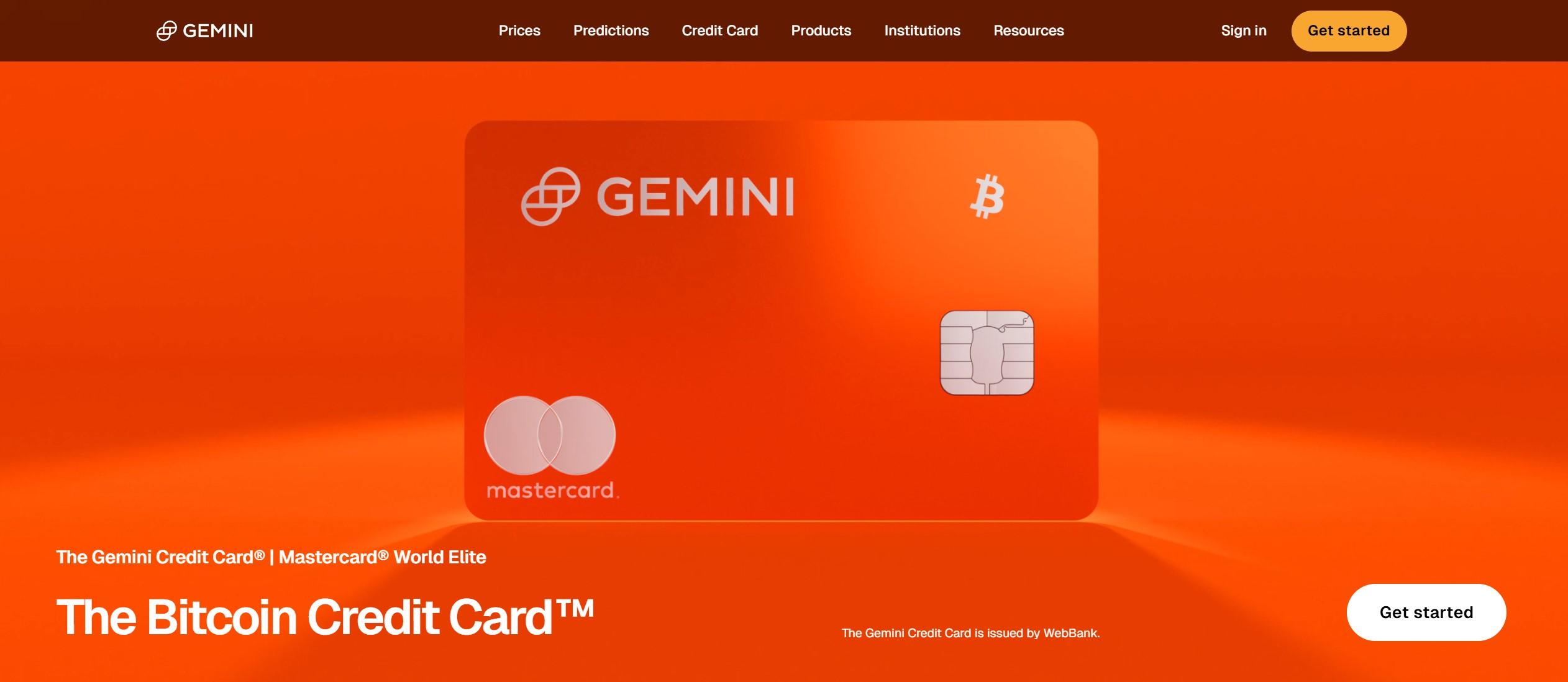
The Gemini credit card is a crypto credit card designed for users who already understand how crypto works and want to earn rewards without changing how they use a regular credit card. It runs on a real credit line, so every purchase earns crypto rewards in Bitcoin or other supported tokens, sent directly to the Gemini wallet after each transaction.
Gemini works best in the US because the underlying system is built around the US credit model. Approval is tied to a real credit line, billing cycles follow standard US payment behavior, and the structure feels familiar for users already used to a traditional credit card.
Key Details
- Card Type: Crypto credit card
- Annual Fee: No annual fee
- Credit Line: Based on approval and user account profile
- Rewards: up to 3% back on dining, 2% on groceries, and 1% on other purchases
- Crypto Rewards: Users can choose to receive their rewards in popular assets like Bitcoin (BTC), Ethereum (ETH), Solana (SOL), and stablecoins like Gemini Dollar (GUSD).
- Reward Payout: Sent to Gemini wallet after each transaction
- Wallet Integration: Direct link to in-app wallet for managing assets
- Supported Assets: 70+ different cryptocurrencies available on the Gemini exchange.
- Spending: Works for everyday spending, including groceries and bills
- Mobile Payments: Supports Apple Pay and Google Pay
- Exchange Access: Built into a regulated cryptocurrency exchange
- Fees: Maker fee starts at 0.20%, and taker fee starts at 0.40%.
- Balances: Managed like a standard credit account with a monthly payment
- Virtual Card: Available for online purchase and instant use
Pros and Cons
| Pros | Cons |
| Strong regulatory compliance within the US market | Derivatives not available in the US, EU, or UK |
| Easy to navigate for beginners entering crypto and managing a wallet | Smaller range of tradable assets compared to larger platforms |
| Mobile app supports on-the-go access and quick transaction tracking | |
| SOC 1 and SOC 2 certifications for added trust and infrastructure reliability |
2. MetaMask Card – Best for Self‑custody Spending
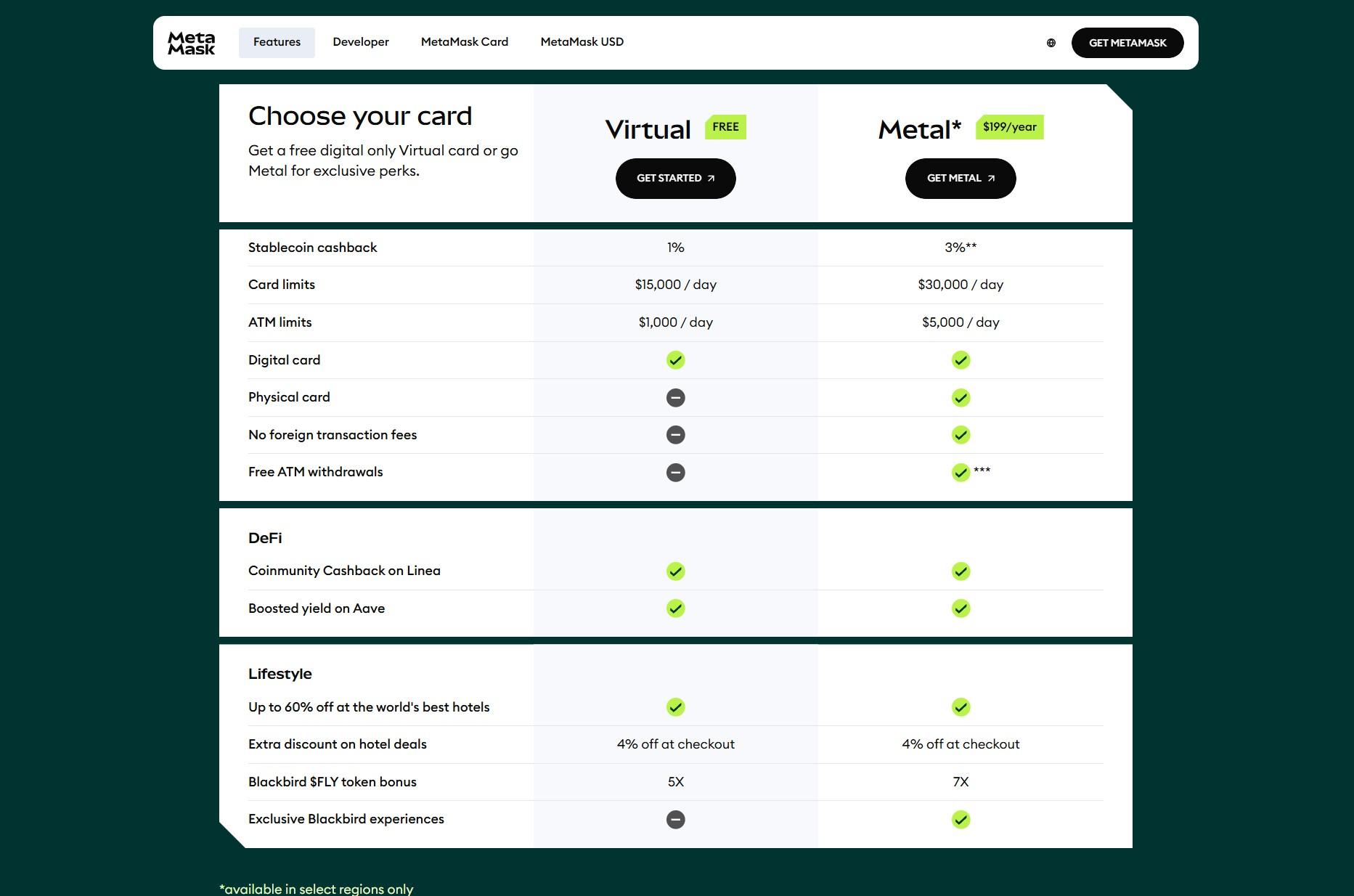
The MetaMask Card is a crypto card designed for users who want full control over their crypto and prefer to spend it directly from a self-custody wallet rather than relying on an exchange. Unlike most crypto credit cards, this is closer to a debit-style setup where your assets stay in your wallet until you pay, then convert to fiat at checkout.
It runs on the Mastercard network and works with Apple Pay and Google Pay, so it fits into normal everyday purchases even though it is built around self-custody.
Key Details
- Card Type: Crypto debit style card (not a traditional credit card)
- Wallet Integration: Direct connection to a self-custody wallet
- Spending Model: Spend crypto directly from your wallet without preloading funds
- Supported Assets: 9 (mUSD, amUSD, wETH, EURe, GBPe, USDC, aUSDC, aBasUSDC, and USDT).
- Conversion: Crypto is converted to fiat currencies at the point of payment
- Rewards: Up to 1% to 3% cashback depending on card type
- Annual Fee: Free virtual card, paid tier available (Metal)
- Virtual Card: Available instantly for online purchase
- Mobile Payments: Supports Apple Pay and Google Pay
- App Access: Managed through the MetaMask app
- Control: Full control of assets until each transaction is completed
- Fees: Small network and swap fees apply, depending on the tokens used
- ATM Access: Higher tiers may include free ATM withdrawal limits
- Spending Limits: Daily and tier-based limits on spend and withdrawals
- Availability: Limited regions, with gradual rollout across the market
Pros and Cons
| Pros | Cons |
| The direct self-custody model lets you spend crypto straight from your wallet without moving funds | Not a true credit card, so no credit line or borrowing option |
| No annual fee for the virtual card, which keeps the entry cost low | $199 yearly cost for the Metal tier |
| Earn cashback in stable tokens on every purchase | Rewards structure depends on region and card tier |
| Instant conversion at checkout keeps balances flexible |
3. Crypto.com Visa Card – Best for High Cashback With Staking Rewards
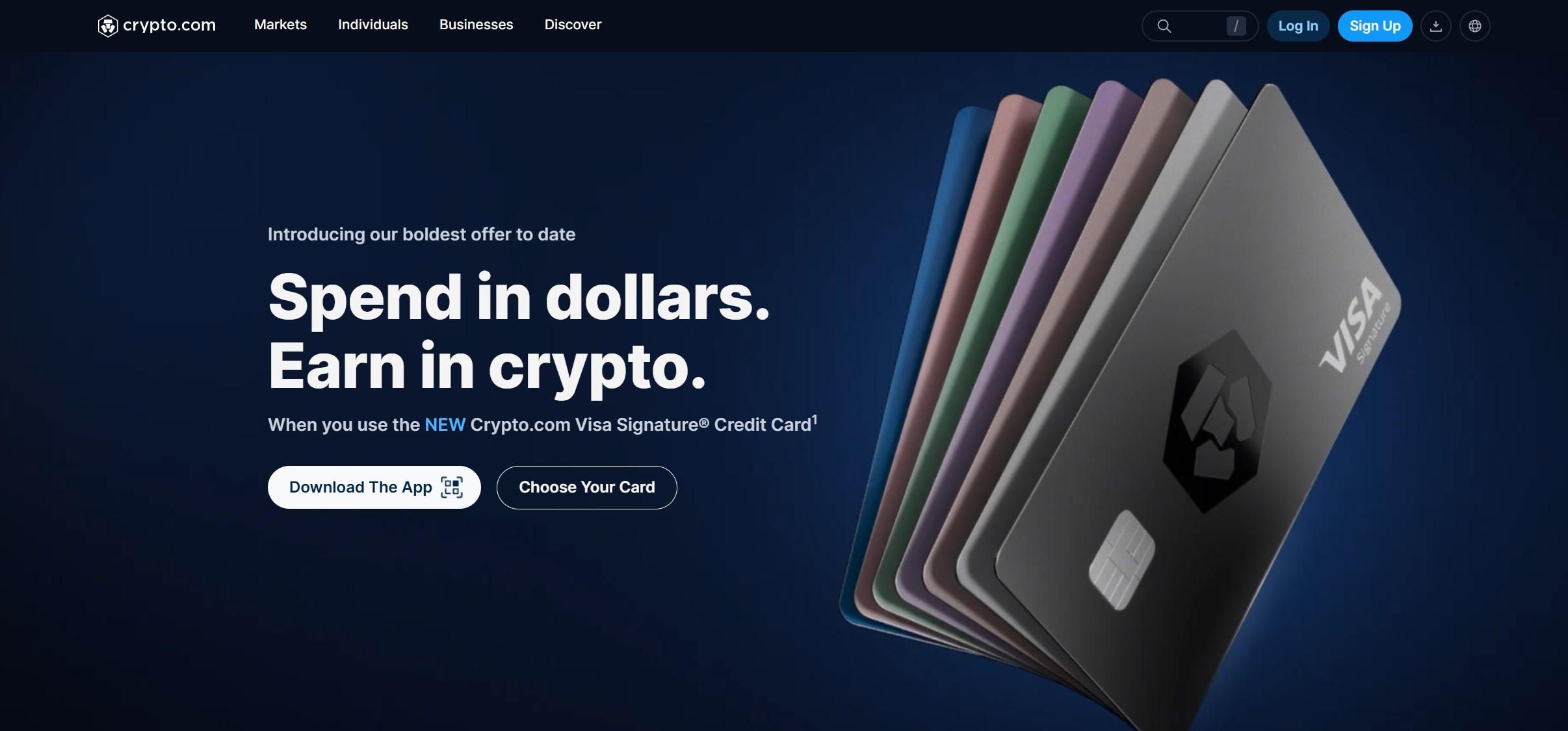
Crypto.com visa card rewards users who commit crypto to unlock higher cashback and stronger rewards across multiple tiers. This card does not operate like a traditional credit card, since funds are loaded into the account before each purchase. Users spend from available balances, making it closer to a prepaid model than a revolving credit setup.
What sets it apart is the tier system tied to CRO tokens, where higher stakes unlock better benefits and more competitive rewards. Top levels offer some of the highest cashback rates in the market, along with added perks tied to ongoing spend.
Key Details
- Card Type: Prepaid crypto card (not a traditional credit card)
- Rewards: Up to 1% to 8% cashback in CRO tokens, depending on tier
- Staking Requirement: Higher rewards and benefits require locking CRO assets
- Annual Fee: No standard annual fee, but tier access may require staking or subscription
- Spending Model: Users fund the account first, then spend from available balances
- Wallet Integration: Linked to the Crypto.com wallet for managing assets
- Rewards Payout: Rewards credited in CRO after each eligible transaction
- Mobile Payments: Supports Apple Pay and Google Pay, depending on region
- ATM Access: Tier-based free ATM withdrawal limits available
- Fees: 1% fee for top-ups via credit/debit card. ATM withdrawals are free up to monthly limits (based on tier), with a 2% fee thereafter. Foreign transaction fees range from 0%–3% depending on the card tier and region
- Exchange Access: Integrated with Crypto.com exchange and app
- Virtual Card: Available for online purchase before the physical card arrives
- Market Availability: Widely available, but features vary by region and market
Pros and Cons
| Pros | Cons |
| High cashback potential, with some of the strongest rewards in the market | High staking requirement to unlock top-tier benefits |
| No annual fee, which improves long-term value | A complex tier system can be confusing for new users |
| Earn rewards in CRO tokens on every eligible purchase | Some transactions do not qualify for rewards |
| Integrated with the Crypto.com wallet and exchange for managing assets |
4. Venmo Credit Card – Best for Turning Cashback Into Crypto Easily
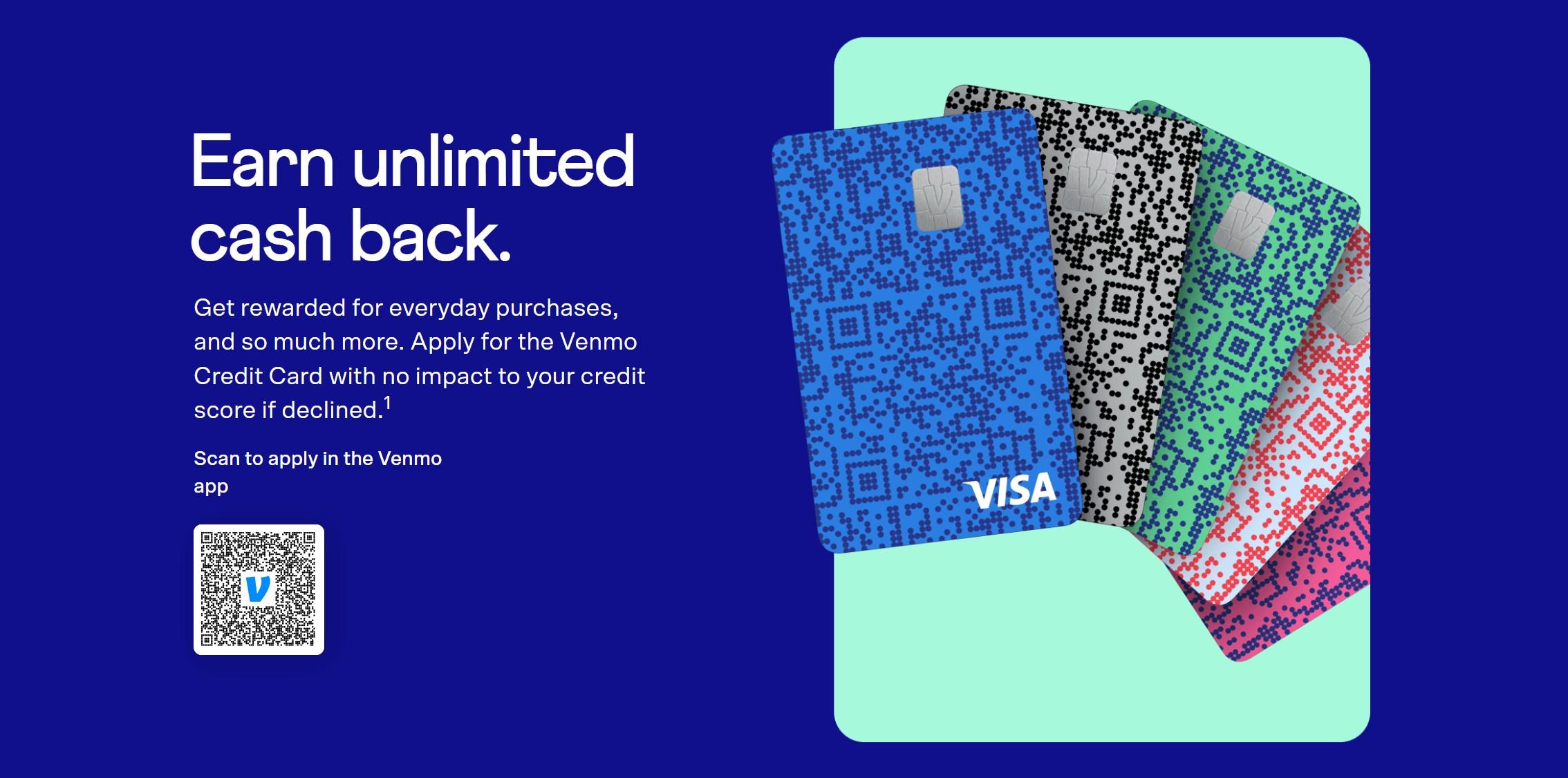
The Venmo credit card makes it easier for users to move from traditional cashback into crypto without changing how they already spend. Every purchase earns rewards in cash, which can be automatically converted to Bitcoin, Bitcoin Cash, or other supported tokens in the Venmo app. This setup removes the need to spend crypto directly or manage a separate crypto wallet at checkout.
Key Details
- Card Type: Traditional credit card with optional crypto integration
- Annual Fee: No annual fee
- Rewards: 3% cashback on the top spend category, 2% on the second category, 1% on all other purchase activity.
- Crypto Feature: Option to auto convert cashback into crypto monthly
- Reward Timing: Rewards paid monthly, not per transaction
- Wallet Integration: Built into the Venmo wallet and account
- Mobile Payments: Supports Apple Pay and Google Pay
- Spending: Designed for everyday spending and bill payment
- Virtual Card: Available for online purchase and use
- App Access: Managed fully within the Venmo app
- Fees: 3% fee on the transaction amount and 0% for foreign transactions.
- Balances: Standard revolving credit with a monthly payment
Pros and Cons
| Pros | Cons |
| Easy path to earn crypto from normal cashback | Does not earn crypto rewards directly on each purchase |
| No annual fee, making it accessible for most users | Conversion spread can reduce real value of rewards |
| Automatic category system boosts cashback without tracking | |
| Works anywhere Visa is accepted for daily payment use |
5. Nexo Card – Best for Spending Without Selling Crypto
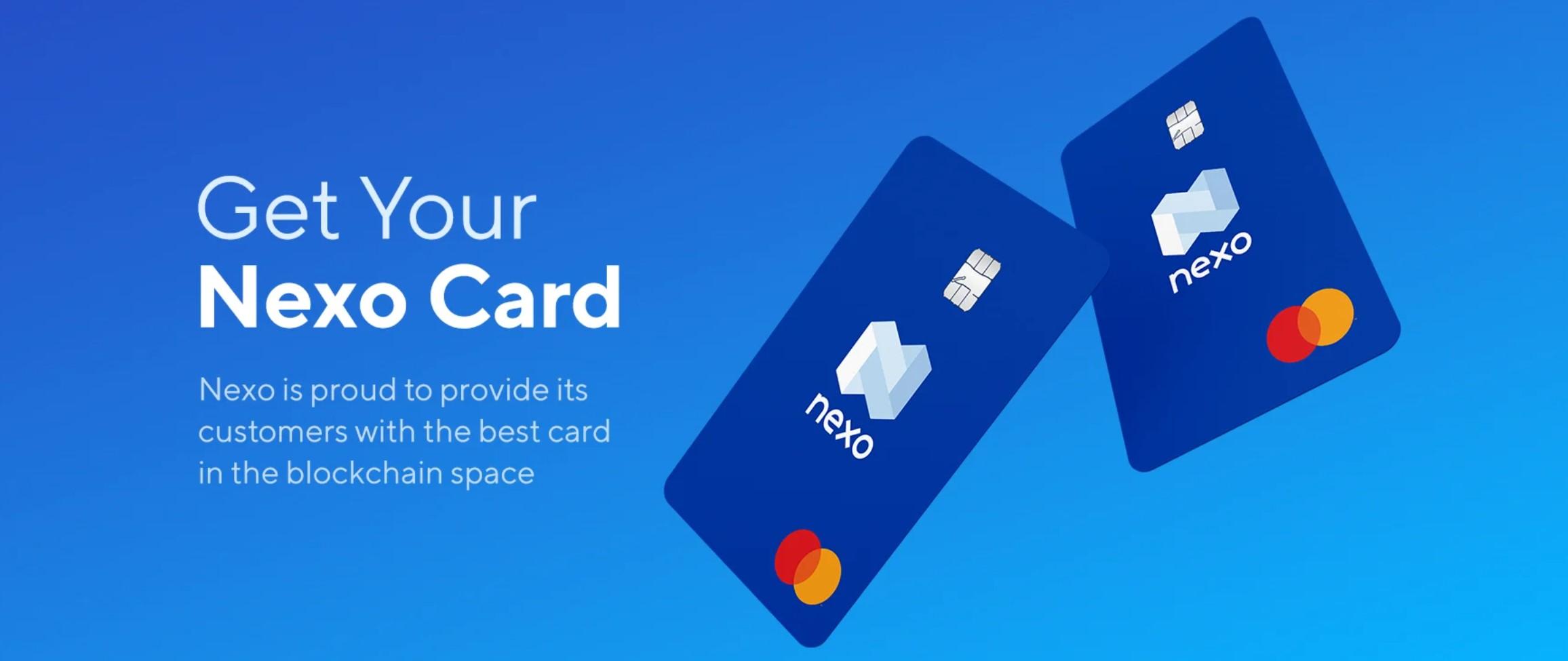
The Nexo card allows users to spend crypto without selling their assets outright. It works in two modes, Credit and Debit, allowing spending either through a credit line backed by holdings or directly from available balances in the wallet. In Credit Mode, users borrow against crypto while maintaining exposure to market movements.
Making it more flexible than most crypto credit cards, since spending does not always require token liquidation.
Key Details
- Card Type: Dual-mode crypto card (Credit and Debit)
- Spending Model: Spend via credit line or direct crypto conversion
- Rewards: Up to 2% cashback in crypto, depending on tier
- Annual Fee: No monthly or annual fee
- Wallet Integration: Connected to the Nexo wallet and app
- Credit Line: Available against held assets
- Mobile Payments: Supports Apple Pay and Google Pay
- ATM Access: Tier-based free ATM withdrawals available
- Fees: 2% charge on ATM withdrawals
- Rewards Payout: Paid in Bitcoin or NEXO tokens
- Account Control: Managed through a single account dashboard
Pros and Cons
| Pros | Cons |
| Let users spend crypto without selling assets | Access depends on the region’s availability |
| Dual Credit and Debit modes increase flexibility | Complex structure for beginners |
| Up to 2% cashback in crypto rewards | Credit Mode introduces borrowing risk |
| Works globally on the Mastercard network |
6. Wirex Card – Best for Multi-Currency Crypto Spending
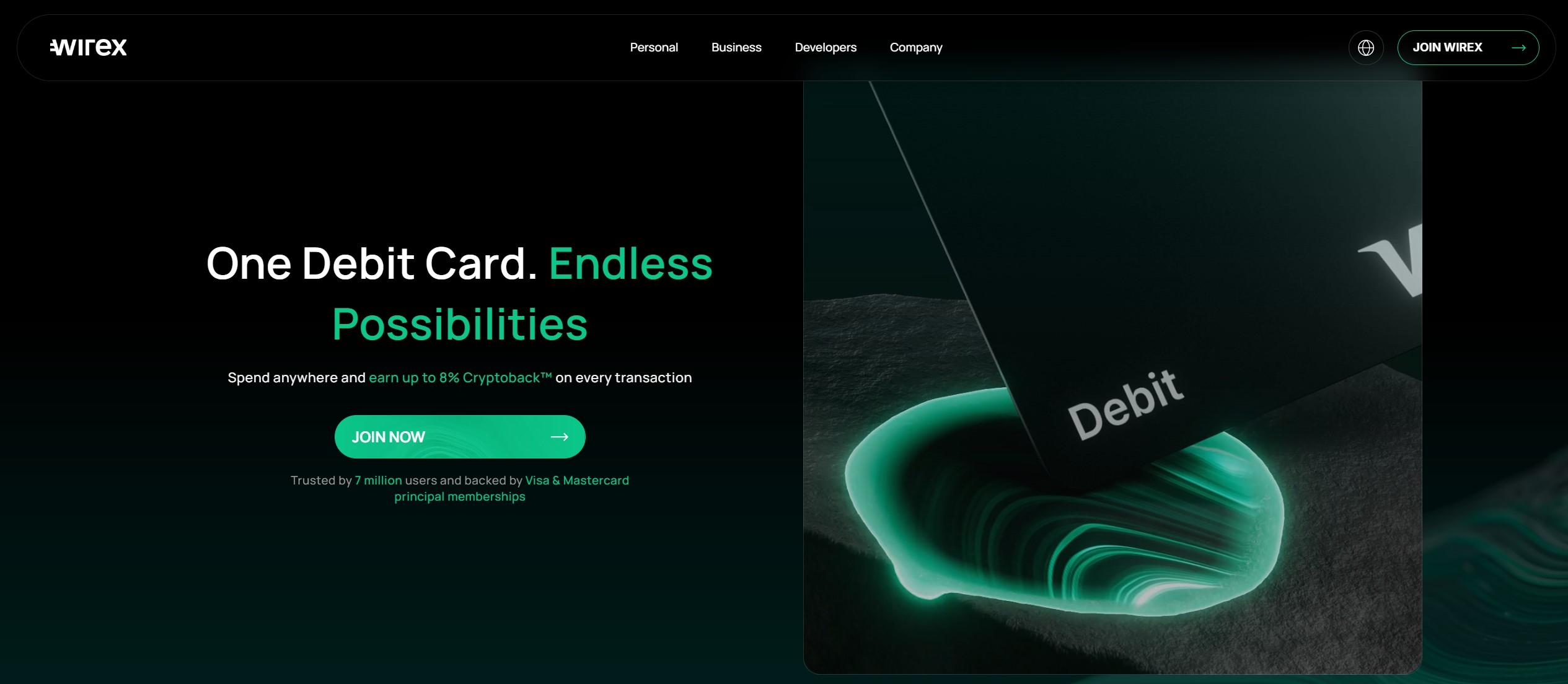
The Wirex card is a crypto card designed for users who frequently move between fiat currencies and crypto. It allows spending directly from a crypto wallet, automatically converting assets at the point of purchase. The system supports both everyday spending and cross-currency transactions without requiring manual exchange steps.
Key Details
- Card Type: Crypto debit card
- Network: Visa or Mastercard, depending on region
- Spending Model: Direct spend crypto or fiat conversion at checkout
- Rewards: Crypto rewards on select purchase categories
- Annual Fee: No standard annual fee on the basic tier
- Wallet Integration: Connected to Wirex wallet
- Conversion: Automatic exchange at the point of transaction
- Mobile Payments: Supports Apple Pay and Google Pay
- Account: Single account for fiat and crypto balances
- Fees: 2% fee on ATM withdrawals
- Virtual Card: Available for online purchase
- Spending: Designed for global everyday spending
Pros and Cons
| Pros | Cons |
| Supports both crypto and fiat currencies in one wallet | Fees depend on region and transaction type |
| Easy spend crypto conversion at checkout | The rewards structure is limited in some regions |
| Works with Visa and Mastercard networks | Not all crypto card features are available globally |
| Simple account management for multiple assets |
7. Coinbase One Card – Best for High Tier Bitcoin Rewards Tied to Platform Assets
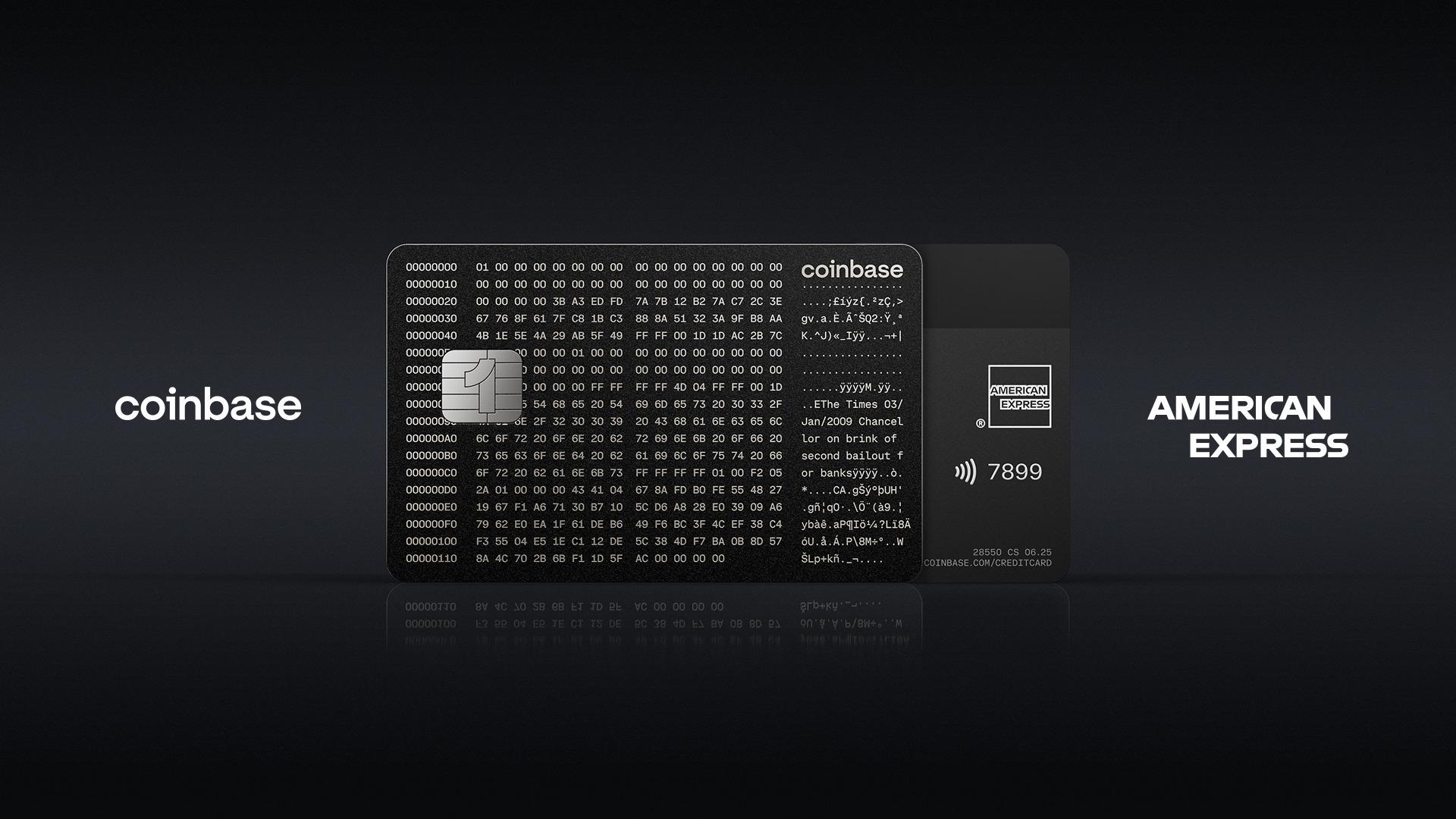
The Coinbase One card is primarily for users already active on the Coinbase exchange who want to earn Bitcoin rewards tied to their overall crypto holdings. It runs on a real credit line and gives up to 4% cashback in Bitcoin, with rewards increasing as more assets are held in the Coinbase account.
The credit card has no traditional annual fee for eligible members, but access requires a paid Coinbase One subscription. Rewards are paid in Bitcoin after each eligible purchase, and the system adjusts based on spend, holdings, and tier level.
Key Details
- Card Type: Crypto credit card
- Network: American Express (via Coinbase One program)
- Rewards: Up to 4% Bitcoin rewards based on crypto holdings
- Annual Fee: No direct annual fee, but a Coinbase One subscription is required
- Credit Line: Approved based on account profile and platform usage
- Wallet Integration: Direct connection to the Coinbase wallet and exchange
- Rewards Payout: Paid in Bitcoin after an eligible transaction
- Spending Model: Standard credit card use for everyday purchase activity
- Mobile Payments: Supports Apple Pay and Google Pay
- Eligibility: Limited to US Coinbase One members
Pros and Cons
| Pros | Cons |
| High Bitcoin rewards up to 4% based on assets held | Requires a paid Coinbase One subscription |
| Strong integration with the Coinbase wallet and exchange | Not fully accessible to users outside the US users |
| Works like a normal credit card with a real credit line | Tier system affects real cashback consistency |
8. Bybit Card – Best for Staking-free Reward Model
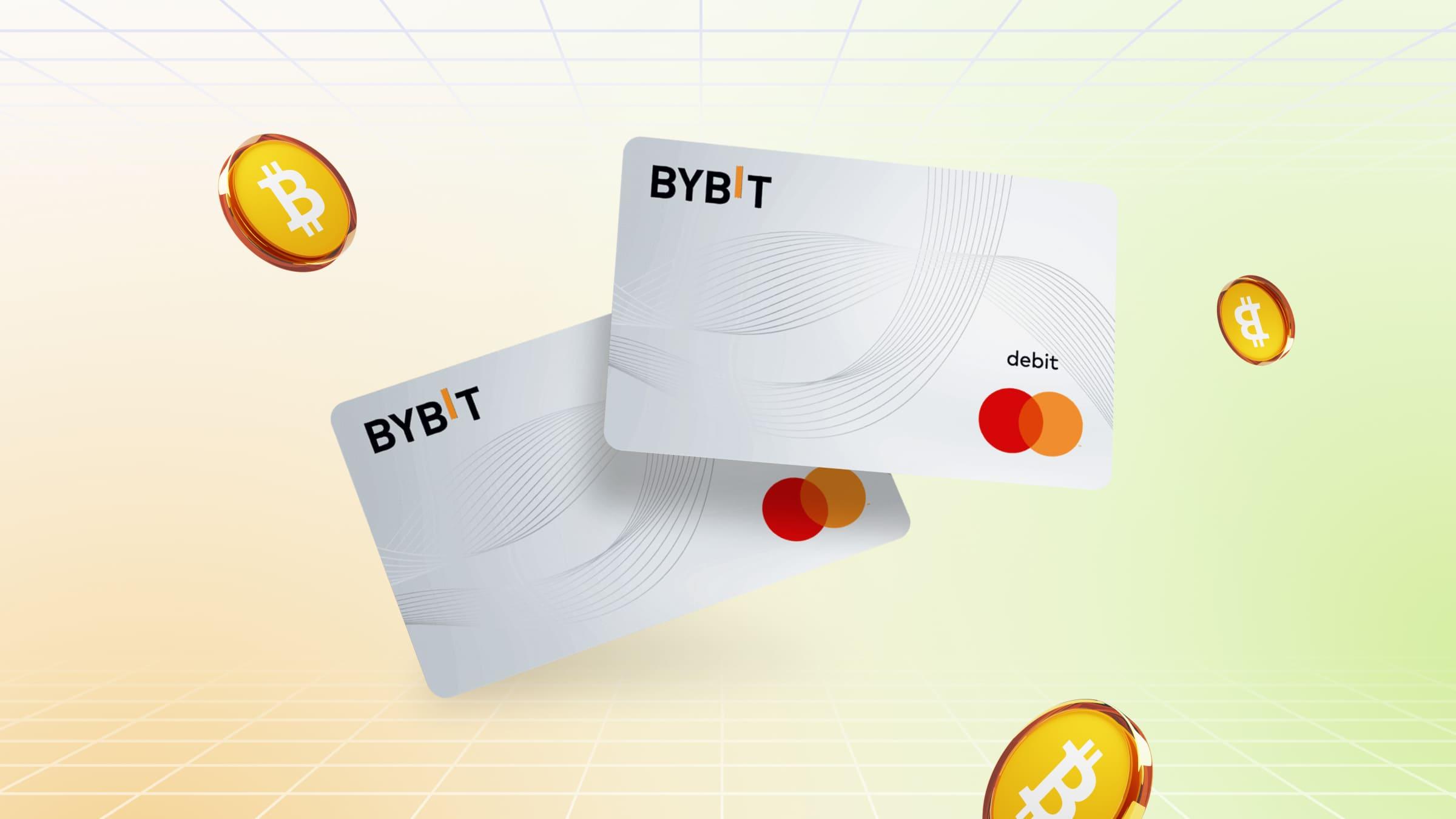
The Bybit card does not require you to lock up or stake large amounts of native tokens to earn its baseline cashback and benefits. It works as a prepaid style visa card where funds are converted at the point of each transaction, allowing users to pay with crypto or stablecoins without manual conversion steps.
The card is most useful for users already active on the Bybit exchange, since rewards, limits, and features vary by region and spend level. Some versions offer cashback on eligible purchase categories, while others focus more on seamless payment and liquidity access
Key Details
- Card Type: Crypto credit card
- Network: American Express (via Coinbase One program)
- Rewards: Up to 4% Bitcoin rewards based on crypto holdings
- Annual Fee: No direct annual fee, but a Coinbase One subscription is required
- Credit Line: Approved based on account profile and platform usage
- Wallet Integration: Direct connection to the Coinbase wallet and exchange
- Rewards Payout: Paid in Bitcoin after an eligible transaction
- Spending Model: Standard credit card use for everyday purchase activity
- Mobile Payments: Supports Apple Pay and Google Pay
- Fees: 0.9% crypto-to-fiat conversion fee, a 2% ATM withdrawal fee (after the first €100/USD monthly), and foreign exchange fees ranging from 0.5% to 2%.
- Eligibility: Limited to US Coinbase One members
Pros and Cons
| Pros | Cons |
| Direct access to crypto for everyday spend | Cashback programs not available everywhere |
| Works globally on the Mastercard network | Limited transparency on tier consistency |
| Supports flexible payment with multiple tokens | |
| Useful for active traders managing assets |
9. ether.fi Card – Best for Non-custodial Spending With Yield Backed Crypto
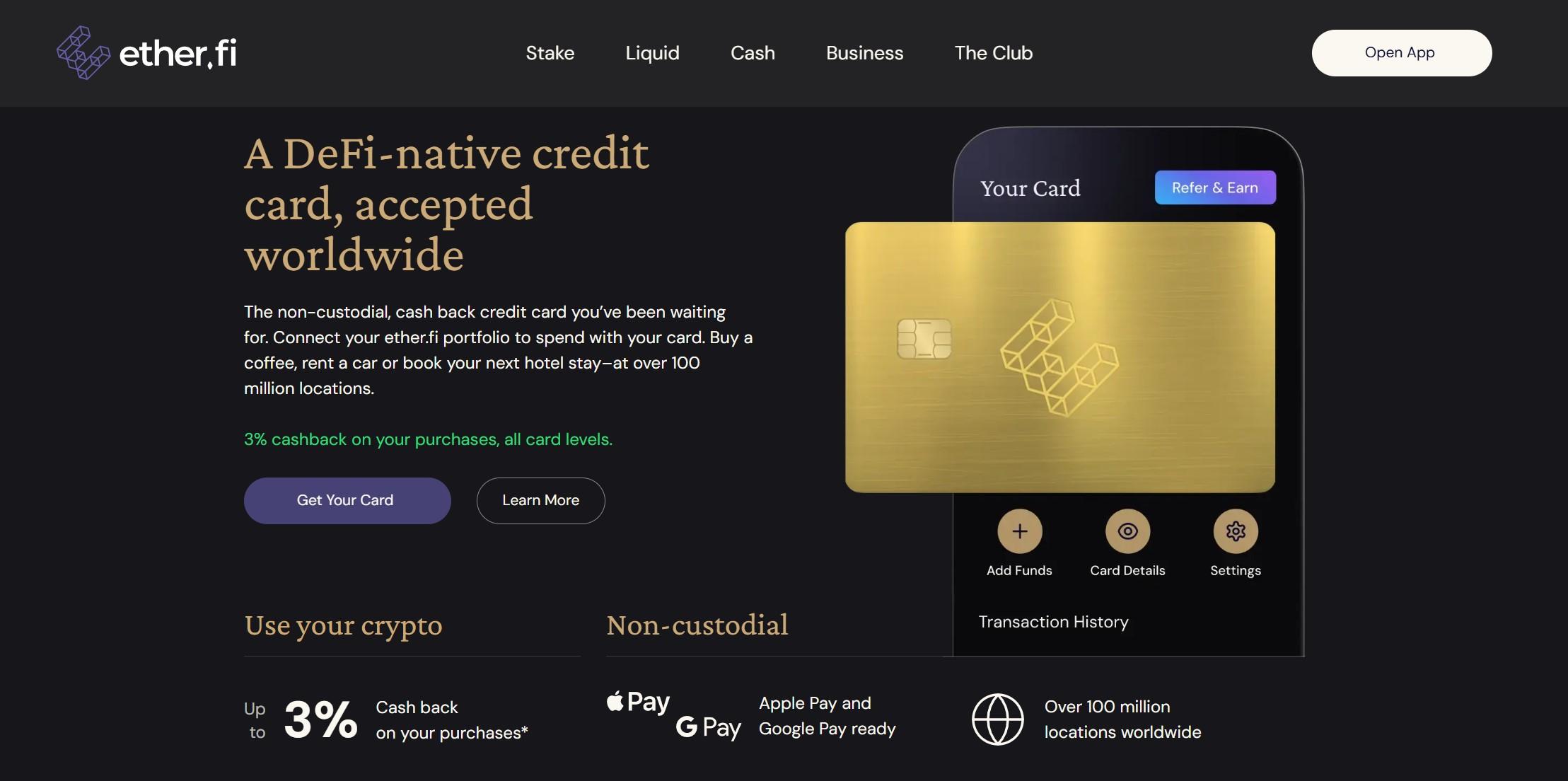
The ether.fi card operates on a non-custodial model, meaning funds remain in a user-controlled wallet while still usable for real-world purchases. Spending can happen directly through borrowed value or collateral-backed credit, depending on how the account is set up.
What sets it apart from most crypto credit cards is how it ties spend, yield, and rewards together. Users can keep earning staking or yield returns on deposited crypto assets while still using them for everyday payment.
Key Details
- Card Type: Crypto-backed non-custodial card
- Spending Model: Spend via collateral-backed credit or direct crypto use
- Wallet Integration: Self-custody wallet connection
- Rewards: Up to 3% cashback depending on tier and spend level
- Annual Fee: No standard annual fee for the basic tier
- Yield Feature: Assets can continue earning yield while used for spending
- Mobile Payments: Supports Apple Pay and Google Pay
- Fees: FX and platform fees depend on usage and region
- ATM Access: Available in some regions with limits
- App Access: Managed through ether.fi app and dashboard
- Spending: Designed for global everyday spending and purchase use
Pros and Cons
| Pros | Cons |
| Non-custodial setup gives full control of the crypto wallet and assets | Requires understanding of DeFi and collateral-based credit |
| Lets users spend crypto without selling underlying assets | Setup is more complex than typical crypto cards |
| Earns rewards while assets continue generating yield | |
| Combines spend, yield, and crypto credit in one system |
10. KAST Card – Best for Stablecoin
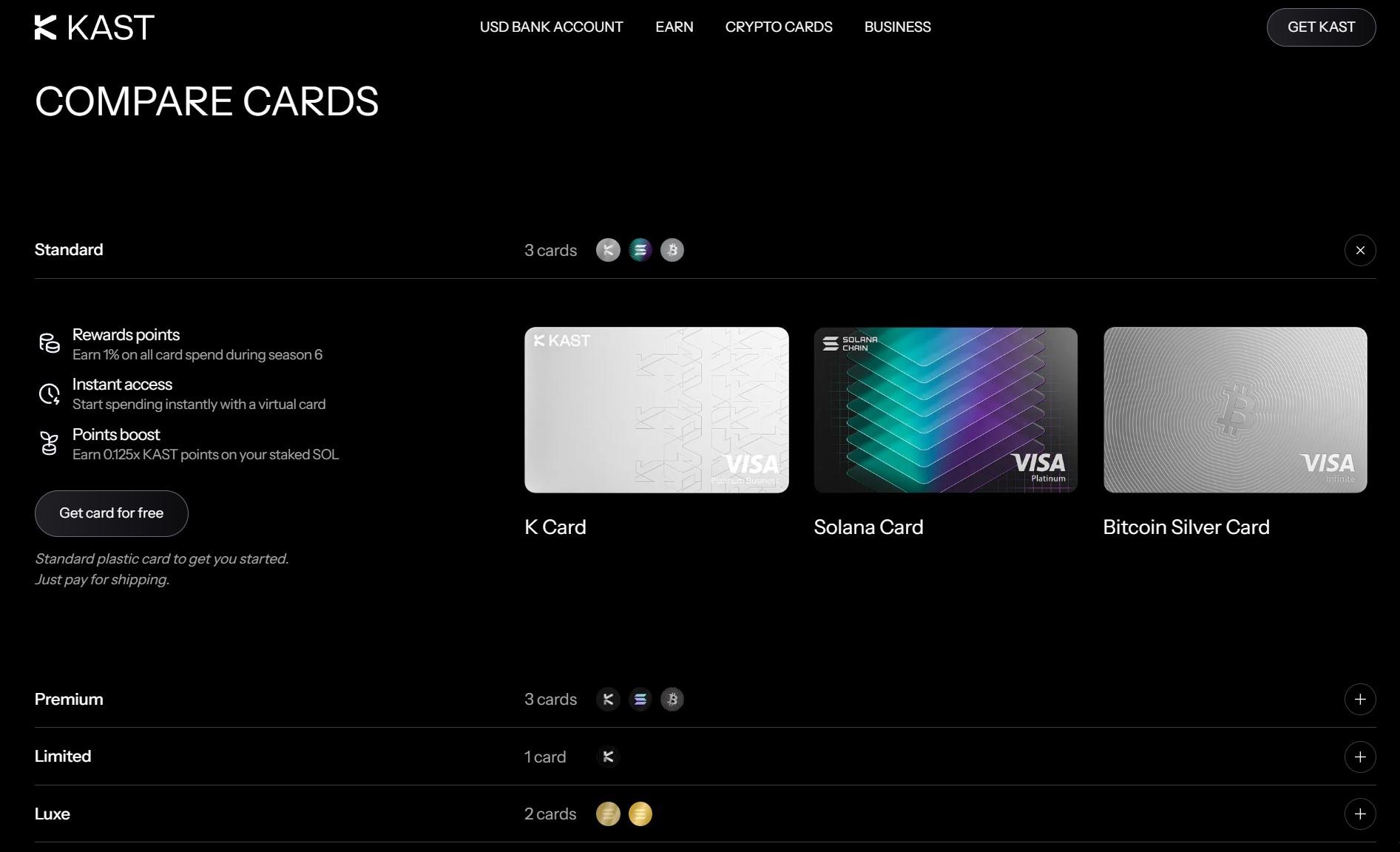
The KAST card allows users to spend crypto, stablecoins, or fiat balances directly from a linked wallet, converting assets automatically at the point of each purchase. This makes it useful for global payment activity where flexibility matters more than fixed credit structures.
Unlike traditional crypto credit cards, the KAST system focuses more on multi-currency control and real-time exchange at checkout.
Key Details
- Card Type: Crypto debit style card
- Network: Visa or Mastercard, depending on region
- Spending Model: Direct spend crypto or fiat conversion at checkout
- Supported Assets: KAST supports 25+ cryptocurrencies and stablecoins
- Wallet Integration: Unified wallet and account system
- Rewards: 8%–12% for Premium cashback, 2% for Standard tier.
- Annual Fee: $0 for Standard annual fee, premium $1,000, limited $5,000, and Luxe (Founders Card) is $10,000
- Conversion: Automatic exchange at the point of transaction
- Mobile Payments: Supports Apple Pay and Google Pay in supported regions
- Fees: it offers 0% fees for top-ups, USD spending, and Apple/Google Pay. Other costs include a 0.5%–1.75% foreign exchange fee for non-USD transactions.
- Virtual Card: Available for instant online purchase
Pros and Cons
| Pros | Cons |
| Supports both crypto and fiat in one unified wallet | Limited transparency on reward consistency |
| Easy real-time spend crypto conversion at checkout | Not as well-known as major crypto cards |
| Useful for global payment and travel spend | Still developing full market coverage |
| Simple multi-currency account structure | Some fees depend on FX and conversion usage |
What Is a Crypto Credit Card?
A crypto credit card is a credit card that lets users earn crypto rewards instead of traditional points or miles when they spend. It works like a normal credit card, using a credit line to pay for purchase activity, with repayment handled through a linked account.
Some crypto cards convert card rewards into Bitcoin, stablecoins, or other digital assets, which are sent to a wallet after each transaction or billing cycle. Others allow users to spend crypto directly by converting assets at checkout. In both cases, the goal is to link everyday spending with crypto exposure.
How Crypto Rewards Credit Cards Work
A crypto credit card works like a normal credit card: a credit line is used to pay for purchases, and the balance is repaid later through an account. The difference is in the rewards, where cashback or card rewards are converted into crypto such as Bitcoin, stablecoins, or other digital assets. In most cases, rewards are sent to a connected wallet after each transaction or billing cycle.
Some crypto cards also let users earn crypto from everyday spending, with fees, limits, and reward structures varying by provider and market. Others integrate with a crypto trading platform, allowing users to manage assets, track balances, and decide how to spend or hold their crypto rewards.
Crypto Credit Cards vs Crypto Debit Cards
A crypto credit card allows users to pay now and repay later with a credit line, while still earning crypto rewards on purchases. A crypto debit card, on the other hand, uses existing wallet or account balances, meaning users can only spend crypto or fiat they already hold.
With credit cards, rewards are often tied to spending behavior and credit usage, while debit crypto cards focus more on direct asset conversion at the point of transaction. Debit cards usually involve fewer fees, but they do not offer borrowing power or traditional credit flexibility.
Who Should Use a Crypto Credit Card?
A crypto credit card is best for users who already understand crypto, want to earn crypto on everyday spending, and prefer using a traditional credit system rather than prepaid wallet models. It suits people who regularly make purchases and want cashback in Bitcoin or other tokens instead of fiat rewards.
It also works well for users who manage both credit and crypto assets, especially those who later use a crypto margin exchange to actively trade and grow their holdings. However, it may not suit users who want simple spending without dealing with credit, market exposure, or crypto volatility.
Advantages and Disadvantages of Using Crypto Credit Cards
Advantages of Using Crypto Credit Cards
- Earn crypto rewards: Earn crypto rewards like Bitcoin or other digital assets on everyday purchase activity
- Credit flexibility: Access a real credit line to pay and manage spending over time like a standard credit card
- Low upfront cost: Many crypto cards come with no annual fee, which improves long-term value
- Wide acceptance: Works globally through Visa or Mastercard for regular payment needs
- Platform integration: Connects directly to a crypto wallet or cryptocurrency exchange to manage assets
- Passive exposure: Builds crypto holdings through normal spending without separate purchase actions
- Flexible rewards structure: Adjusts rewards based on spend, tiers, or total assets held
Disadvantages of Using Crypto Credit Cards
- Market volatility risk: Crypto rewards can lose value due to changes in the market
- Hidden and variable fees: Conversion, FX, and transaction fees can reduce overall cashback, especially if rewards are moved across platforms instead of using a zero fee crypto exchange.
- Complex reward systems: Tier based rewards structures can be difficult to track
- Staking requirements: Locking assets is often required to unlock higher rewards or benefits
- Indirect crypto exposure: Some credit cards convert cashback into crypto instead of offering direct crypto rewards
- Platform dependency: Full functionality often depends on a linked exchange or wallet system
How to Choose the Right Crypto Credit Card
1. Decide Which Crypto You Want to Earn
Start with the crypto itself. Some crypto credit cards focus on Bitcoin rewards, while others offer multiple tokens or even stablecoins. The right card depends on whether the goal is long term exposure to specific assets or flexible rewards that can be moved or traded inside a wallet or exchange.
2. Compare Reward Rates
Not all rewards are equal. Some crypto cards offer high cashback rates, but only in specific categories or after meeting certain spend levels. Others provide lower but more consistent rewards across every purchase, so it comes down to how spending habits align with the card’s rewards structure.
3. Check Annual Fees and APR
Some cards come with no annual fee, while others tie better benefits to paid tiers or subscriptions. Interest also matters, especially for a true credit card, since carrying balances can reduce the overall value of any rewards earned.
4. Consider Staking or Holding Requirements
Some of the highest-earning crypto credit cards require holding or locking crypto assets to unlock better cashback and benefits. This adds another layer of risk, since the value of those assets depends on the market, and access may be limited during the lock period.
How to Apply for a Crypto Credit Card
- Choose a card: Start by selecting a crypto credit card that fits your rewards, fees, and supported crypto assets. The right card depends on whether the goal is long-term exposure or flexibility, especially for users considering the best cryptocurrency to buy for long-term growth while earning rewards from everyday spending.
- Create an account: Sign up on the provider’s platform or cryptocurrency exchange and verify your account
- Complete KYC verification: Submit required details to confirm identity before accessing credit features
- Check eligibility: Approval depends on credit history, region, and in some cases, existing assets or platform activity
- Apply for the card: Fill out the application to request a credit line and link it to your wallet
- Get approved: Once approved, access a virtual card for immediate purchase and payment use
- Activate and fund: Set up the card in the app, review fees, and prepare for spending
- Start using the card: Use the card for everyday transactions and begin earning crypto rewards on each purchase
Conclusion
The best crypto credit card comes down to how you spend, the type of rewards you want, and how comfortable you are managing crypto. Some crypto credit cards keep things simple with steady cashback, while others offer higher rewards tied to staking, tokens, or activity on a cryptocurrency exchange. The right card should fit your habits without adding unnecessary fees or complexity. In the end, a good crypto card makes it easier to build crypto assets from everyday purchase activity.
FAQs
For beginners, the best crypto credit card is usually one with a simple rewards structure and no staking requirement. Cards like Gemini or Venmo work well because rewards are easy to track, there’s no need to manage complex tokens, and everything runs through a familiar credit card system. The goal at this stage is ease of use, not maximizing cashback.
The best platform is typically a regulated cryptocurrency exchange that supports direct credit card purchases and has clear fees. Platforms like Coinbase, Gemini, and Crypto.com allow users to buy crypto using a credit card, though transaction costs are usually higher than bank transfers. Most exchanges process payments in fiat and then convert them into crypto assets behind the scenes.
No, not all crypto credit cards require staking. Some offer fixed rewards or cashback without locking assets, while others increase rewards based on staking or holding specific tokens. Staking means locking crypto for a period to earn additional returns, but it also reduces liquidity and exposes assets to market risk.
Crypto credit cards are generally safe when issued by regulated providers and used like a normal credit card. Transactions still run through networks like Visa or Mastercard, and merchants receive fiat payment, not crypto directly.
The main risks come from fees, platform security, and the volatility of crypto rewards, not the card itself.
In most cases, earned crypto rewards remain in your linked wallet or account even after the card is closed. However, some platforms may require rewards to be redeemed or transferred before cancellation. It depends on the provider, so checking the details and the fee policy is important before closing the account.
