Key Takeaways
- Ray Dalio expects U.S. debt to reach between $55 trillion and $60 trillion.
- He recommends 10% to 15% in gold, plus a small bitcoin position.
- Total federal debt topped $40 trillion for the first time as of Aug. 18.
Dalio Backs Bitcoin as Debt Risks Intensify
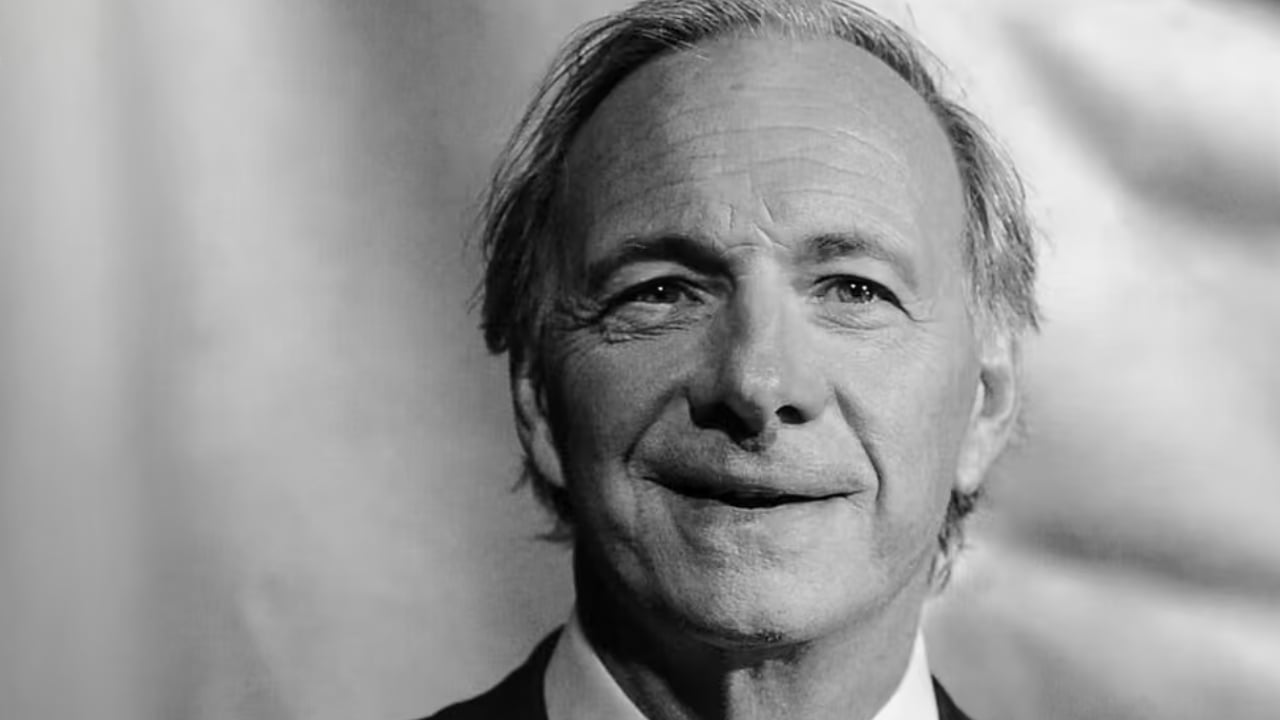
Bridgewater Associates founder Ray Dalio said growing debt, weakening demand for government bonds, and monetary expansion could erode currencies while supporting scarce assets. In an Aug. 21 LinkedIn analysis, he stated:
“I expect non-government-produced monies like gold and bitcoin to do relatively well.”
Bitcoin’s potential role rests partly on its predetermined issuance and maximum supply of 21 million coins. Its store-of-value characteristics include scarcity, portability, self-custody, and resistance to monetary debasement, although substantial volatility prevents it from providing consistent short-term stability.
Dalio’s support remains measured rather than unconditional, reflecting his continued preference for gold as the more established monetary asset. In May, he argued that bitcoin’s correlation with technology stocks weakens its safe-haven appeal when investors sell volatile holdings to cover losses elsewhere.
US Debt Could Reach $60 Trillion
Federal finances already reflect several pressures highlighted in Dalio’s debt-cycle framework, including persistent deficits and rising interest costs. The Congressional Budget Office projected a $1.9 trillion fiscal 2026 deficit, with federal outlays of $7.4 trillion, revenue of $5.6 trillion, and debt held by the public reaching 120% of gross domestic product by 2036.
America’s debt accumulation has continued at a rapid pace, strengthening arguments that scarce assets could provide protection against long-term currency depreciation. Total public debt outstanding reached $40.05 trillion as of the close of business Aug. 18, passing $40 trillion for the first time, Treasury figures released Aug. 19 showed.
Debt growth had already been running fast ahead of that milestone, adding nearly $1 trillion within five months. Dalio said current projections imply another substantial increase over the coming decade as deficits require continued borrowing and interest expenses consume more federal revenue. The investor wrote:
“After taking the recently passed budget reconciliation bill into account, most of the independent assessors of the situation project that the debt in 10 years will be $55-60 trillion.”
A full debt crisis could arrive in three years, give or take two, if the country’s fiscal course does not change, Dalio guessed. He set out that timing alongside the debt projection in a summary of his book, “How Countries Go Broke: The Big Cycle.”
Treasury Buybacks Reinforce Debt-Cycle Concerns
The U.S. Department of the Treasury added another signal when it expanded long-term liquidity-support buybacks on Aug. 19. The department increased the maximum purchase size for certain 10- to 30-year securities from $2 billion to at least $4 billion per operation, effective Sept. 9 through Nov. 4.
The expansion revived discussion of the debasement trade, under which investors reduce exposure to currencies and bonds while favoring scarce assets. Bitcoin advanced as the Treasury buyback announcement drew attention to dollar weakness, although Treasury repurchases do not constitute Federal Reserve quantitative easing and do not create money by themselves.
Where Dalio Sees Bitcoin Falling Short of Gold
Dalio also recognizes risks that could limit bitcoin’s monetary role despite its fixed supply and borderless network. He has identified potential vulnerabilities in bitcoin’s code, government controls, transaction transparency, and the possibility that central banks may remain unwilling to treat it as a reserve asset.
His current position represents a shift from 2020, when he questioned bitcoin’s usefulness as money and warned that governments could restrict it if it became threatening to sovereign currencies. Dalio nevertheless acknowledged that he could be wrong about bitcoin and invited proponents to address his concerns.
The Bridgewater Associates founder ultimately favors broad diversification while reducing exposure to debt assets and allocating some capital to non-government money. He advised:
“As general advice, I suggest diversifying well in asset classes and countries that have strong income statements and balance sheets and are not having great internal political and external geopolitical conflicts, underweighting debt assets like bonds, and overweighting gold and a bit of bitcoin.”
“Having a small percentage—maybe 10-15%—of one’s money in gold can reduce a portfolio’s risk, and I think it would also raise its return,” he concluded.