

In brief
- Basketball.fun is offering refunds to digital pack buyers who don’t want to wait for the platform’s marketplace to go live next month.
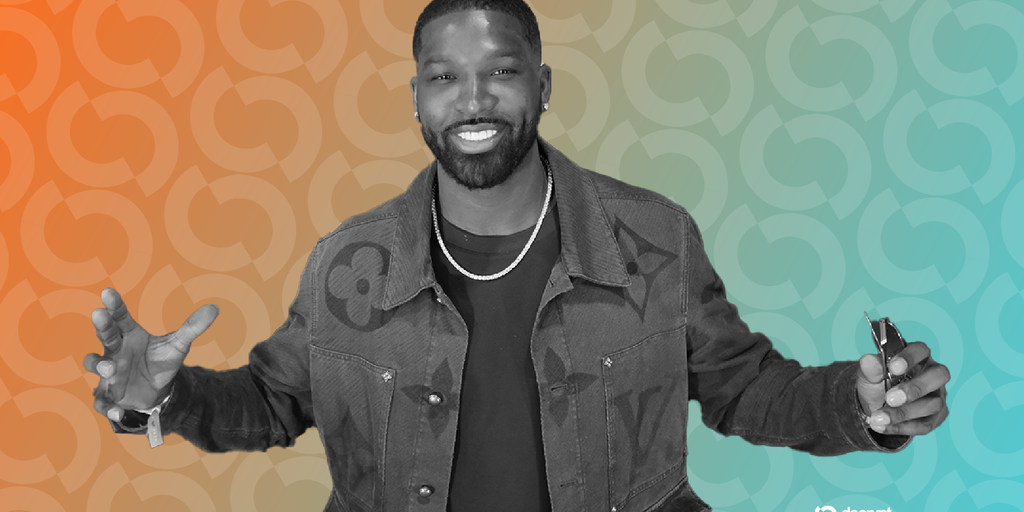
- NBA veteran Tristan Thompson has stepped back from his advisory role, the athlete and project leads confirmed to Decrypt.
- So far, Basketball.fun said it has received refund requests totaling less than $2,000 worth of pack sales for “shares” in NBA athletes.
Basketball.fun is processing refunds for those who aren’t willing to wait until the NBA-focused crypto project’s marketplace goes live—a move aimed at managing users’ expectations after former Cleveland Cavaliers player Tristan Thompson stopped promoting the project.
Since Basketball.fun began allowing users to purchase packs of digital player cards in January, the professional basketball player has moved on from his role as an advisor, according to a statement shared with Decrypt.
“I’m proud to have helped support the vision in its early days,” Thompson said. “As the platform continues to develop, the team at Improbable is taking the lead on the project and I’ve stepped back from any active involvement.”
Developed alongside Improbable, the team behind layer-1 network Somnia, Basketball.fun is billed as a way for people to speculate on the performance of NBA players when it debuted in October. It’s a riff on fantasy basketball, with a crypto twist—and no official league license.
Over the past two weeks, our team has been head down working on a big update we were getting ready to share with our community.
This morning we woke up to see quite a bit of feedback, and some surprising “amplification” from @AdamFDF_ founder of @sportfun (an indirect…
— Basketball.fun (@bsktballdotfun) March 6, 2026
Basketball.fun users can gain access to “shares” in athletes that are meant to fluctuate in value game-to-game, but as of yet, they haven’t gained the ability to sell or trade those assets.
The project is continuing to build in that direction, while also working on its own version of a prediction market, Basketball.fun co-founder and CEO Hadi Teherany told Decrypt.
On Friday, a pseudonymous X account named Bando accused Basketball.fun of being a “rug pull.” They argued that a lack of updates from the project suggested developers were in the process of abandoning it following a period of influencer-induced hype. That’s not the case, Teherany said.
“The culture of somebody putting money into pack sales and having to wait two months isn’t unheard of,” Teherany said. “Obviously, we wanted to be respectful of that when it became an issue.”
Teherany estimated that Basketball.fun has received 24 refund requests so far, totaling under $2,000 worth of pack sales. The company is also offering a “10% boost” on users’ current purchases, if they wait until the project’s planned trading debut at the start of the NBA playoffs in April.
“Other opportunities”
Teherany, who grew up in Toronto, said he became friends with Thompson at a young age. The athlete, who created his own podcast called “Courtside Crypto” last year, stepped back from the project weeks before Basketball.fun began publicizing refunds for users, Teherany added.
The project has previously offered refunds to users who reached out individually, and it plans on making that option clear on its website, Teherany said. On Friday, the company claimed in an X post that criticism toward Basketball.fun was being amplified by an indirect competitor.
“There was no intention of scamming users in any way,” Improbable Chief Marketing Officer Irina Scarlat told Decrypt. “It was just a pre-sale, with the intention of people being able to get out of their positions and sell their packs once the product is launched.”
Basketball.fun plans to let people purchase packs of digital playing cards on Base later this month, viewing Coinbase’s Ethereum layer-2 scaling network as a way to grow its ecosystem before the project’s trading debut on Somnia.
In some ways, users’ frustrations could be rooted in the perception that people generally have toward athletes promoting crypto projects, paralleling lawsuits brought against sports icons like Shaquille O’Neal and Tom Brady in the wake of the pandemic-era crypto boom and collapse of prominent exchange FTX.
Research published earlier this month by University of Pennsylvania’s Wharton School found that actors, professional athletes, and politicians were among the least-trusted sources of guidance within the context of cryptocurrency investments.
When Thompson first created his podcast—which hasn’t posted a video to its YouTube channel in 11 months—he argued that “too many celebrities, especially in [this] meme coin era, were just extracting from the space.”
Thompson, who did not sign a contract to return to the Cavaliers for the current NBA season, is currently considered an unsigned free agent. Although he hasn’t announced his retirement yet, Teherany suggested that he’s exploring his options as far as what’s next.
“If you look at Tristan’s habits and schedule, he was doing NBA TV and some other consulting work in the crypto space,” Teherany said. “I think he realized a few months ago that he kind of wanted to chase some other opportunities.”
Daily Debrief Newsletter
Start every day with the top news stories right now, plus original features, a podcast, videos and more.
